
The short answer: published ranges
Computer vision projects span a huge range because they solve very different problems. Pulling together published 2025–2026 industry pricing guides, the rough shape looks like this:
| Type of project | Typical range |
|---|---|
| Basic object detection / counting | $10k–$30k |
| Real-time video analytics | $40k–$100k |
| Full production computer vision build | $50k–$250k |
| Industrial machine-vision inspection, per line | $110k–$200k |
| Cameras (each, by spec) | $30–$3,500 |
| System integration engineering | +$10k–$50k |
Treat these as orientation, not a quote. A single-camera counter and a multi-line, real-time defect-inspection system with tight accuracy targets are both “computer vision,” and they sit at opposite ends of that range.
What actually drives the cost
Almost every number above moves with the same handful of factors. When you're scoping a project, these are the levers to understand:
- Accuracy requirements. The gap between “useful” and “near-perfect” is expensive. Chasing the last few points of accuracy takes more data, more tuning, and more validation.
- Data and labelling. Models learn from examples of your good and bad units. Collecting, cleaning and labelling that imagery is often the most time-consuming — and underestimated — part of the whole project.
- Real-time and edge. Analysing a live feed on the line, on the edge, with low latency costs more than batch-processing recordings after the fact.
- Scale. Number of cameras, lines and sites. One pilot lane is a very different bill from a fifty-site rollout.
- Integration. Wiring results into your existing world — PLCs and line control, POS, ERP, a VMS, or a dashboard — is the most commonly underestimated line item. Budget guides put integration engineering alone at $10k–$50k.
- Ongoing costs. Conditions drift, so models need monitoring and periodic retraining, plus compute and support. Plan for it rather than being surprised by it.
Off-the-shelf vs. custom
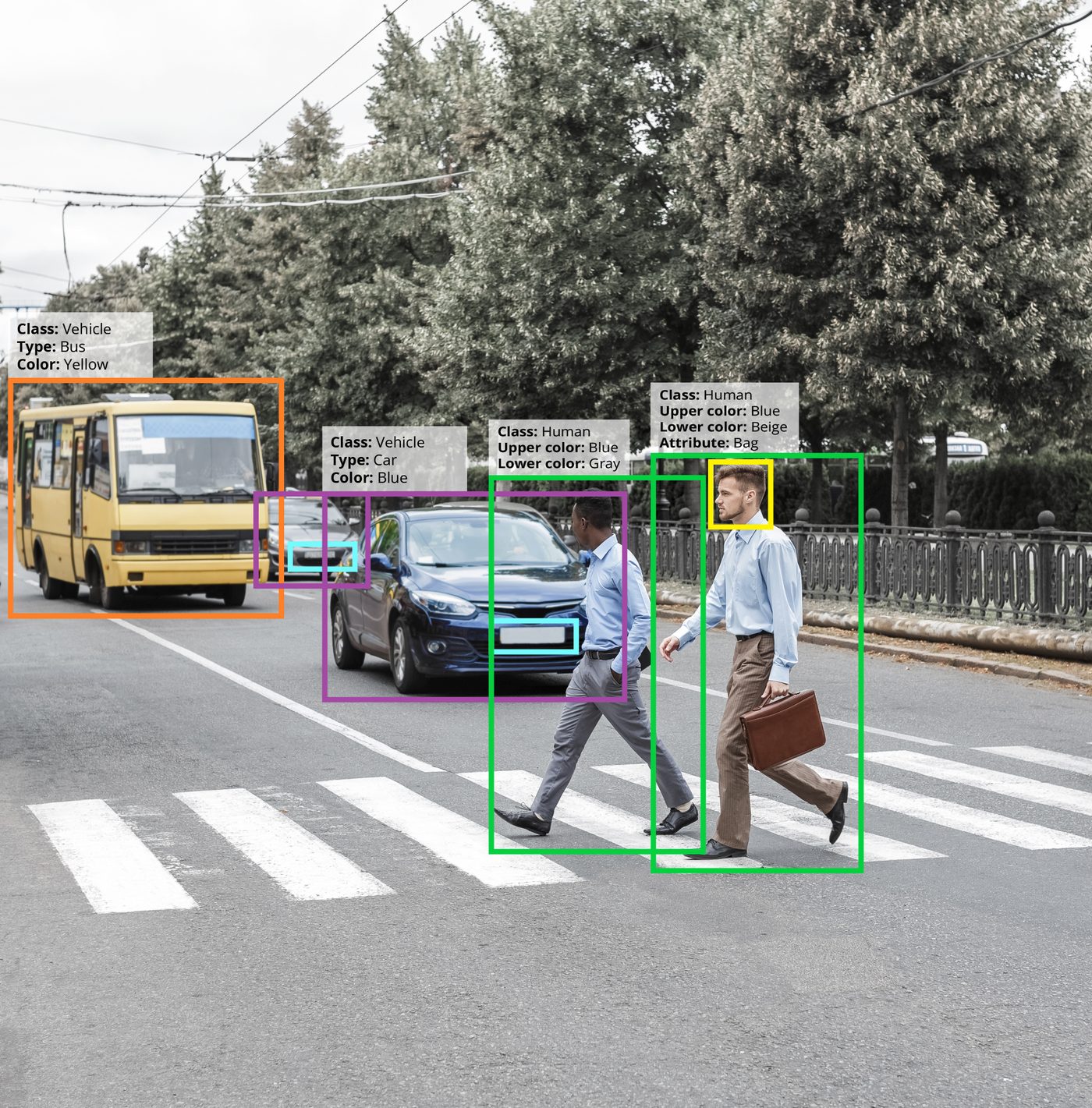
Off-the-shelf detectors and analytics apps are cheaper up front, and for generic tasks — counting people, reading plates — they can be the right call. The trouble starts when the task is specific to your product, your lighting and your line: a generic model trained on internet images doesn't know your SKU, and accuracy that looks fine in a demo collapses on real footage. Custom models cost more because they're trained on your data and your conditions — which is exactly why they hold up in production. Most real deployments are a blend: off-the-shelf where it's good enough, custom where it has to be.
How we approach pricing — honestly
Tangent Solutions is a young practice, and we price like one. Rather than quote a big number against a vague spec, we start with a scoped pilot on one line or one site: real conditions, a working capture loop, and a measurable accuracy figure before anyone commits to a rollout. That keeps your first cheque small and turns “it depends” into a real number you can build a business case on.
Because we're early, that also means pilot-first pricing and a founding-customer relationship with the person who writes the code. We hold Axis Technology Partner status and can build on the cameras you already run where they're adequate — so you're often paying for models and integration, not a hardware rip-and-replace.
How to get a real number for your operation
The fastest way past the ranges on this page is to describe the actual problem: what has to be seen, on how many cameras, at what accuracy, and where the result needs to go. From that we can scope a pilot and put a real figure on it. Have a look at our computer vision solutions and industries for how this plays out in practice, then tell us where it breaks.
Ranges compiled from public 2025–2026 computer-vision pricing guides (SmartDev, Azilen, it-jim, Crunch-IS). Figures vary by source and project; use them for orientation, not as a quote.